


Pokémon Sleep
4.48.56K Reviews
App Specs
- Version
- 3.7.1
- Updated On
- License
- Free
- Downloads
- 10,000,000+
- Developer
- The Pokémon Company
- Categories
- Simulation
- Platform
- Android, iOS
Screenshots
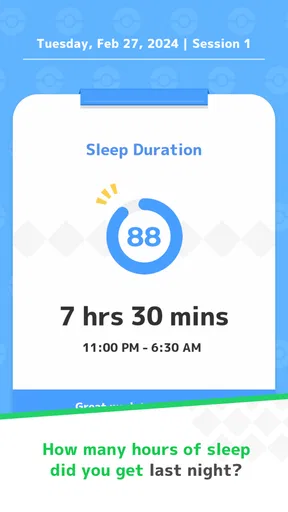
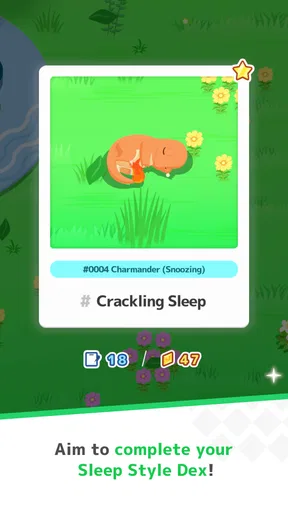

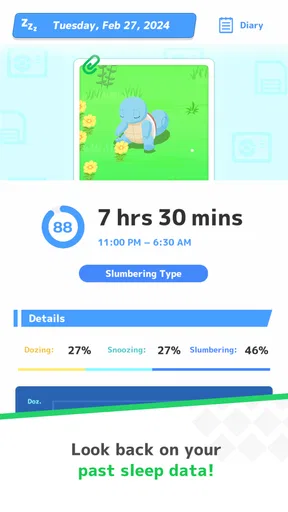
 Analysis by AppCompare
I judge a sleep game by a practical question: does it make bedtime feel more inviting without turning rest into another task to optimize? That is the balance Pokémon Sleep tries to strike. It gives your night a playful purpose, then turns the sleep session into a reason to check in with Pokémon the next morning. I find that idea appealing, but it works best when the game supports a routine you already want rather than making you anxious about how you slept.
What to consider before you start
This is a free simulation game from The Pokémon Company, with in-app purchases ranging from $1.19 to $97.99 per item. It is rated for Everyone and has a 4.4 average from around 120,000 ratings. Those figures suggest broad appeal, but the important question is whether you enjoy the particular mix of light sleep tracking, daily collection, and familiar Pokémon charm. The game is not a conventional adventure that you can progress through whenever you have a spare few minutes; your night is part of its central rhythm.
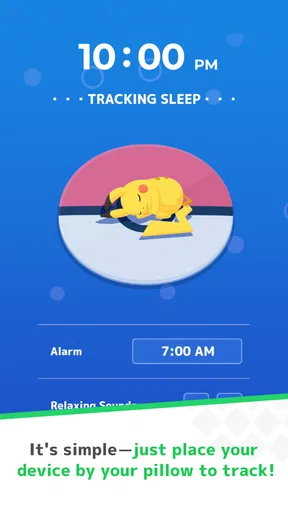
Setup is designed to lead you into that routine, with sleep goals and guidance from Professor Neroli. The app asks you to keep your phone nearby while you sleep, so it is worth thinking about where it will sit before bedtime. If you usually charge your phone across the room, or rely on it for another nighttime purpose, the placement and habit change may be more noticeable than the game’s menus. I would treat the first few nights as a trial of the routine, not as a test of whether you are a “good” sleeper.
The game’s basic appeal is easy to understand: sleep, return in the morning, and see which Pokémon have appeared. What takes a little thought is how to fit that loop around real life. A late night, an overnight trip, or an irregular schedule can make a simple daily ritual less consistent. If that sounds familiar, decide in advance whether you will enjoy checking in when convenient or feel bothered when your routine is disrupted.
Getting Started with Pokémon Sleep
First things first, downloading and setting up Pokémon Sleep is a breeze. Available on both Android and iOS, you can find it easily on the app store of your choice. Once installed, the app walks you through a quick setup process where you can customize your sleep goals. It’s like having a sleep coach who’s also a Pokémon fan.
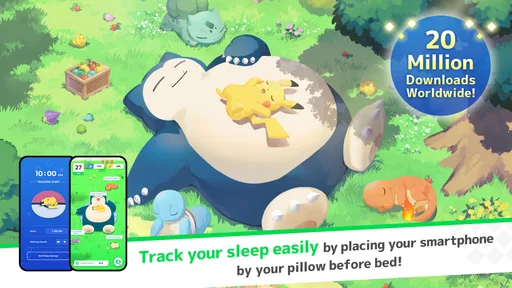
As you dive into the app, you’ll meet Professor Neroli, your friendly guide who’s there to help you understand how your sleep patterns can attract different Pokémon. The app uses your phone’s sensors to track your sleep, so make sure you have it nearby as you hit the sack. And yes, your phone will become your new sleep buddy!
The Gameplay Experience
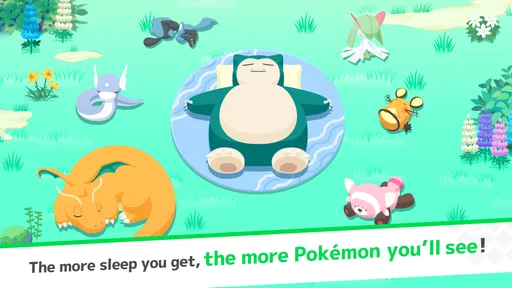
Now, let’s talk about the actual gameplay. It’s a unique blend of sleep tracking and Pokémon collecting. The more you sleep, and the better quality sleep you get, the more Pokémon you’ll attract in the morning. It’s a fun way to motivate yourself to get those eight hours you’ve been promising you’d stick to.
Worth Reading Before You Choose

Baby Panda World Brings Quick Play to Modern Phones, but Its Game Library Feels Busy

ESPN’s Live Game View Makes Following Close Games Easier

QuizzLand Review: A Good Fit for Short Trivia Breaks, Not Every Player

Basketball Stars: Multiplayer Is Fast, but Can It Recover When Matches Go Wrong?

WEBTOON Turns Phone Updates Into a Better Reading Routine

Link to Windows Runs on Shared Habits, Not Social Feeds
Every morning, you’ll wake up to a surprise. The Pokémon are categorized based on your sleep style—dozing, snoozing, or slumbering. It’s exciting to see which Pokémon you’ll get based on how well you slept. Plus, you can grow your collection and even interact with them. Who knew sleeping could be so rewarding?
What the morning check-in is good for
I’d use the morning visit as a gentle prompt to notice patterns, not as a verdict on the night. For example, if I go to bed later than planned on a work night, I can still enjoy seeing what appeared without treating the result as a score of my discipline. That distinction matters: a game can encourage consistency, but it cannot make every night predictable, and sleep tracking should not replace professional advice when sleep is a serious concern.
A useful way to make the loop feel fresh is to focus on the collection and the small discoveries rather than trying to control which sleep style appears. The three labels—dozing, snoozing, and slumbering—give the morning reveal a clear theme, but chasing a particular result can turn bedtime into performance. I’d set a reasonable routine, let the app record what it can, and treat the Pokémon as a pleasant bonus rather than a reward I must earn.
Features Worth Mentioning
One of the coolest features of Pokémon Sleep is its ability to provide insights into your sleeping habits. The app gives you detailed reports, highlighting how long you slept, the quality of your sleep, and even offers tips to improve it. It’s a game-changer for those of us who struggle with maintaining a regular sleep schedule.
Another feature I personally loved is the incorporation of sleep music. You can choose from a variety of relaxing tunes to help you drift off. It’s like having a lullaby personalized just for you. And let’s not forget the adorable animations and interactions with your Pokémon, which add a charming touch to your sleep routine.
Making it work in an ordinary week
Picture a typical weekday: I want to wind down, set a bedtime goal, and leave the phone in its chosen spot rather than scrolling until I fall asleep. In the morning, I can check the report and Pokémon before getting on with breakfast. That is where the design makes sense to me: it gives the end and start of the day a small, friendly ritual. The game is less suited to someone whose evenings vary greatly and who does not want another routine to maintain.
For the most useful experience, I’d keep the setup simple. Pick a sleep goal that fits your actual schedule, put the phone somewhere stable and convenient, and avoid changing several habits at once just to improve the report. If the music is part of your wind-down, use it as a calming cue; if you already have a bedtime audio routine, there is no need to replace something that works. The strongest benefit is the nudge to be more consistent, not a promise that an app can fix every cause of poor sleep.
It is also worth considering shared bedrooms and practical phone use. Keeping a device near the bed may not suit everyone, especially if another person is sensitive to light or sound, or if you need the phone available for something else overnight. I would test the placement and routine before building the game into every night. A charming morning result is not worth making the bedroom less comfortable.
How it compares with other sleep and game options
Compared with a standard sleep tracker, this game puts collection and Pokémon discovery at the center rather than presenting sleep information as the whole experience. That makes it a better fit for fans who enjoy a playful reason to check their habits. Someone who wants a straightforward record of sleep with minimal game elements may prefer a dedicated tracking option instead. Those tools have a different purpose, so I would choose based on whether motivation through play or a more focused tracking experience matters more to you.
Compared with a typical Pokémon game, the trade-off runs the other way: this one is tied to bedtime and morning check-ins, not continuous play whenever you feel like it. If you want active battles or an adventure you can pick up during a commute, a conventional game is a more natural choice. Here, the Pokémon theme gives an everyday health habit some personality, but it does not turn sleep into an all-day game.
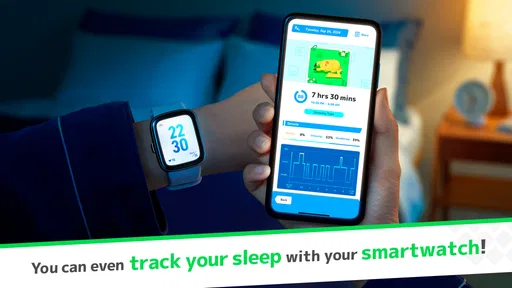
That distinction also helps answer whether you need special equipment. The basic approach described here uses your phone’s sensors, so the core idea is built around the phone you already use. The game’s store summary also refers to tracking with a smart device, but I would not buy extra hardware just to try the app unless you have checked that a particular device suits your needs. Start with the phone-based routine and decide whether it fits your life before spending on optional items.
The trade-offs behind the cute routine
The most meaningful limitation is that the game depends on a regular night-time habit. It is not ideal if you dislike leaving a phone near your bed, frequently sleep in different places, or do not want an app to make bedtime feel monitored. The tracking and reports can be interesting, but they should be read as an aid to reflection, not a medical assessment. If your main goal is detailed health guidance, a sleep-focused service or qualified professional may be a better match.
There is also a difference between free to start and entirely free. The game costs nothing to download, while optional in-app purchases are available across a wide price range. I would begin without spending: first see whether you enjoy the morning loop and whether it genuinely helps your routine. If the core experience does not hold your interest, paying will not make the underlying sleep-based structure a better fit.
For someone changing phones or deciding whether to stick with it, the practical cost is less about learning a complicated game and more about carrying the nightly routine over. The current version is 3.2.0, and it requires Android 8.0 or later on Android. The game is available on Android and iOS, so check the requirements for your own device before installing. I would also avoid treating a short break as failure; the point is to find a sustainable rhythm, not to turn a missed night into pressure.
Is Pokémon Sleep for You?
If you’re someone who loves Pokémon and is looking for a fun way to improve your sleep quality, then Pokémon Sleep is definitely worth trying. It’s not just a game; it’s an innovative approach to making sleep more enjoyable and rewarding. You get to catch ‘em all while catching some Z’s. How cool is that?
However, if you’re not particularly interested in sleep tracking or aren’t a fan of Pokémon, this might not be the app for you. The gameplay revolves heavily around your sleep patterns and your love for Pokémon, so if neither is your cup of tea, you might want to explore other options.
Overall, Pokémon Sleep is a delightful app that combines the love for Pokémon with the necessity of good sleep. It’s a quirky, fun way to integrate better sleep habits into your life, and who knows, you might just become a sleep master along the way!
So, why not give it a go? You might find yourself waking up to a new favorite Pokémon and a better night’s sleep. Happy snoozing!
My recommendation
With more than 10 million installs and an Everyone age rating, it has clearly reached far beyond a small group of dedicated collectors, but popularity alone does not make it the right sleep companion for every household. I’d recommend it to Pokémon fans who like gentle daily goals, enjoy seeing a collection grow, and are comfortable making their phone part of a bedtime routine. It is also a reasonable experiment for someone who wants a playful prompt to keep a steadier schedule, as long as they can take the results lightly.
I would skip it if you need a sleep tool first and a game second, if you want full control over when progress happens, or if nightly phone placement is inconvenient. In those cases, a simpler tracker, a dedicated relaxation routine, or a regular Pokémon game may serve you better. For me, the winning idea is not that sleep becomes a contest; it is that a familiar world gives an ordinary habit a little warmth. Try it without buying anything, keep the routine comfortable, and continue only if the morning check-in makes your day feel better rather than more demanding.
Pros
- Engaging sleep tracking mechanics.
- Cute Pokémon animations.
- Rewards for consistent sleep habits.
- Simple
- user-friendly interface.
- Regular updates with new features.
Cons
- Requires internet connection.
- Limited customization options.
- May drain battery overnight.
- In-app purchases can be pricey.
- Not ideal for light sleepers.
FAQs for Pokémon Sleep
What is Pokémon Sleep and how does it work?
Pokémon Sleep is a unique app that combines sleep tracking with Pokémon gameplay. The app uses your phone's sensors to monitor your sleep patterns and rewards you with Pokémon based on your sleep quality and duration. Users can interact with Pokémon and participate in sleep-themed challenges, making it an engaging way to improve sleep habits.
Is Pokémon Sleep available on both Android and iOS?
Yes, Pokémon Sleep is available for download on both Android and iOS platforms. Users can find the app on the Google Play Store and the Apple App Store, ensuring compatibility with a wide range of devices. Make sure your device meets the minimum software requirements for optimal performance.
Does Pokémon Sleep require any additional hardware or accessories?
While Pokémon Sleep primarily uses your smartphone’s built-in sensors to track your sleep, it can also be paired with the Pokémon GO Plus+ device. This accessory enhances the app’s functionality by providing more accurate sleep data and additional in-game bonuses. However, the device is optional and not necessary to enjoy the app.
Is Pokémon Sleep free to use, and are there in-app purchases?
Pokémon Sleep is free to download and use, but it does offer in-app purchases. These purchases can enhance your gameplay experience by unlocking additional features or providing in-game items. Users can enjoy the core functionality of the app without spending money, but optional purchases can enrich the experience.
How safe is my data with Pokémon Sleep?
Pokémon Sleep takes user privacy and data security seriously. The app collects sleep data to enhance your experience, but it adheres to privacy regulations and offers transparency about data usage. Users should review the app’s privacy policy to understand what data is collected and how it is used, ensuring you are comfortable with these practices.


